A culinary opera: the three acts of an Italian Christmas
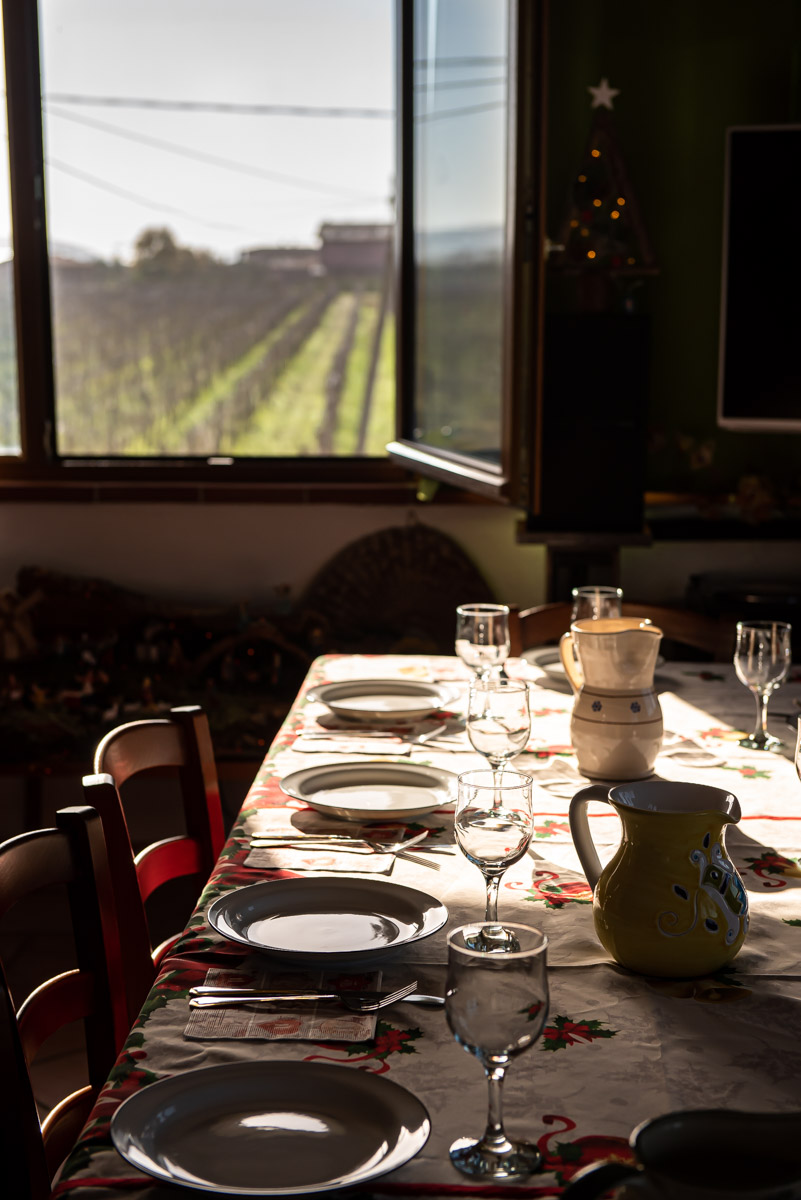
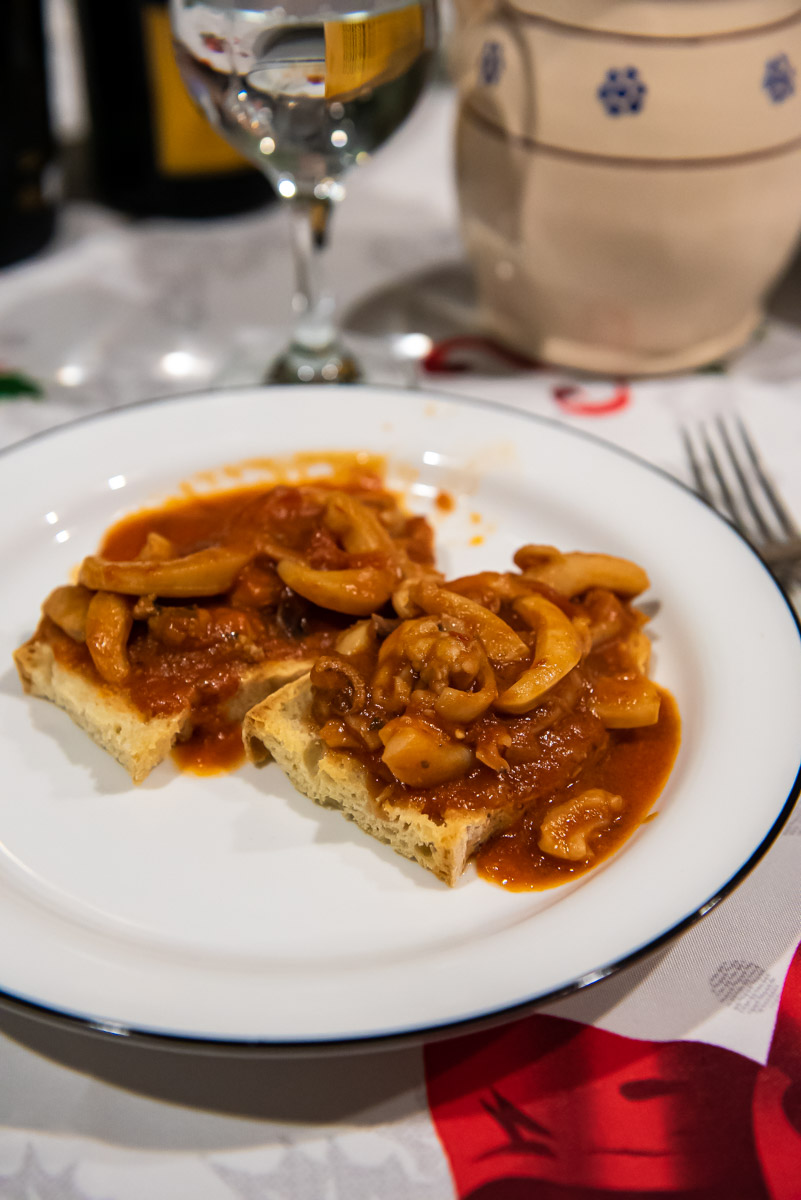
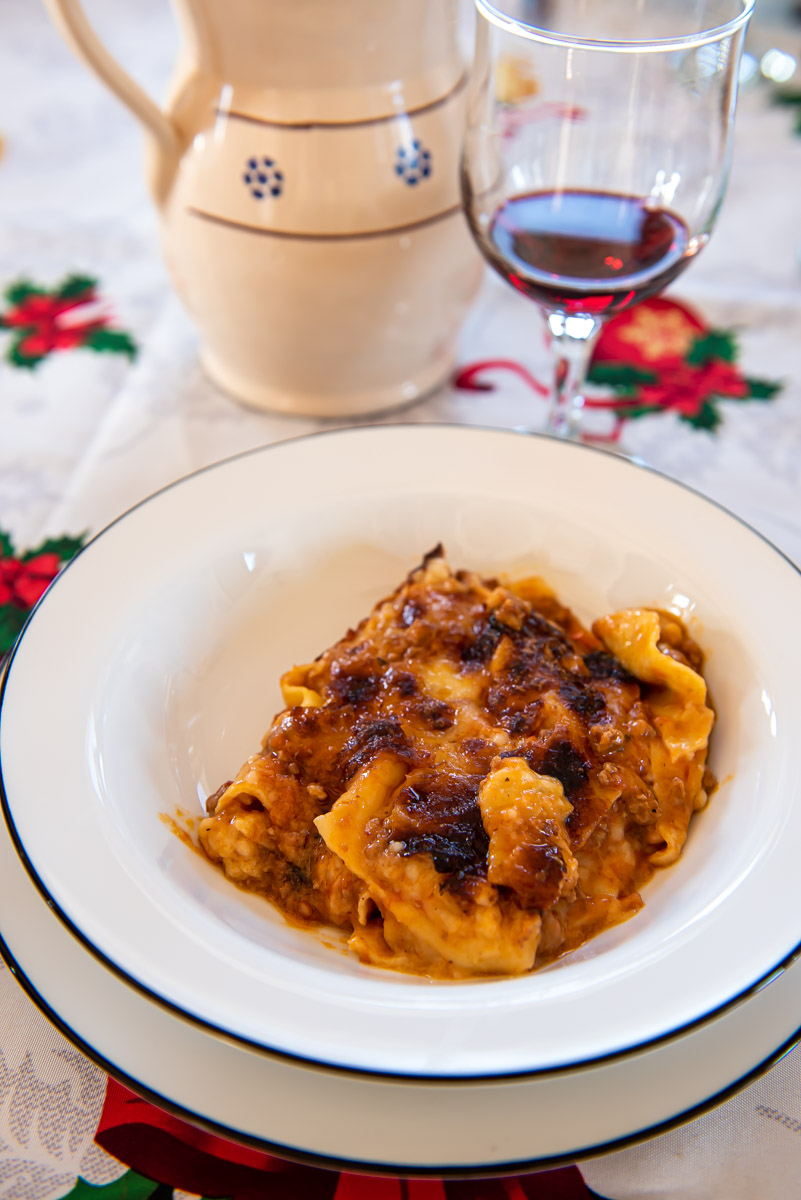
Like an opera, the Italian Christmas takes place in three acts: la Vigilia (Christmas Eve, when traditionally fish is eaten), il pranzo di Natale (Christmas lunch) and la cena (Christmas dinner).
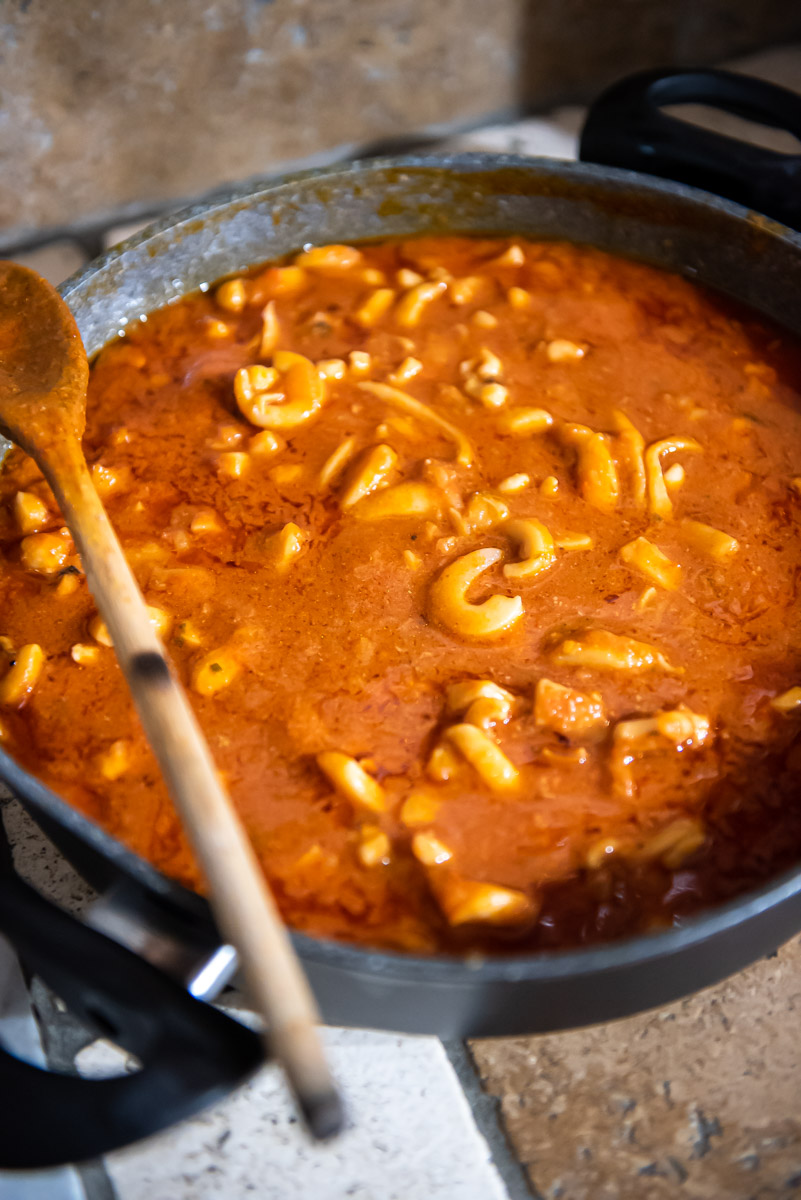
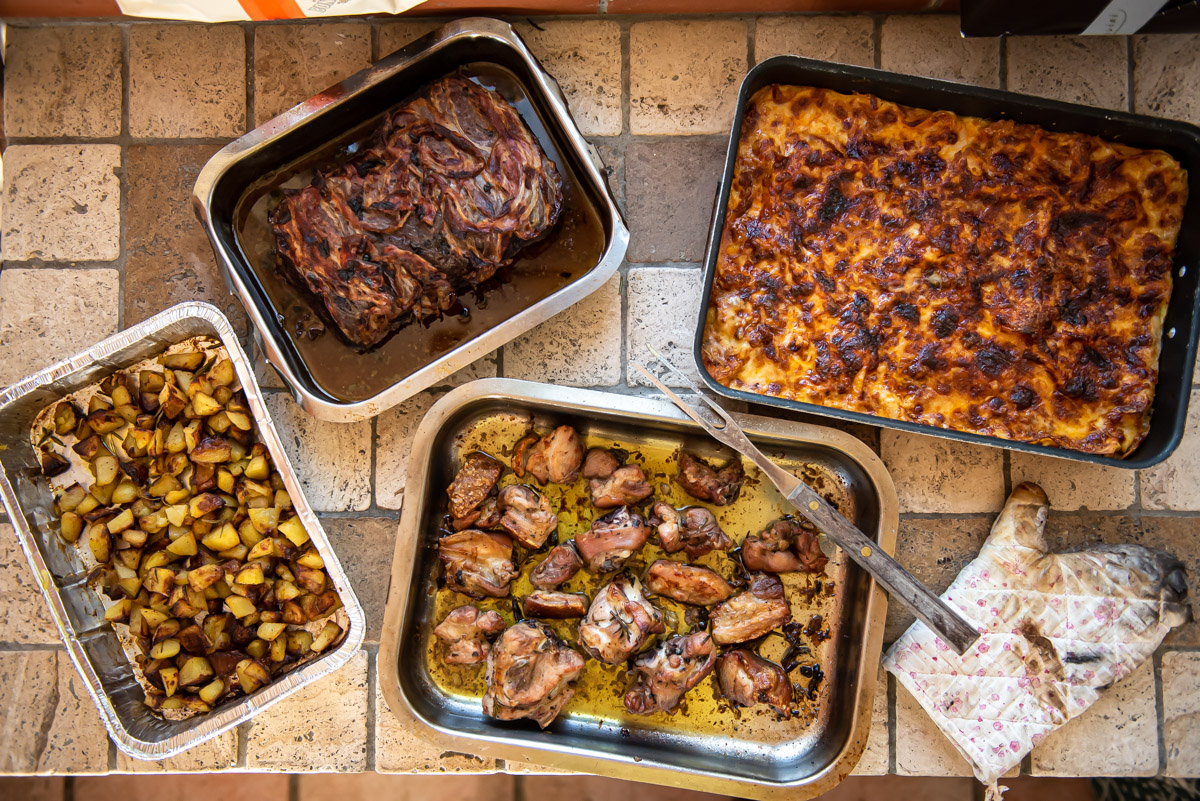
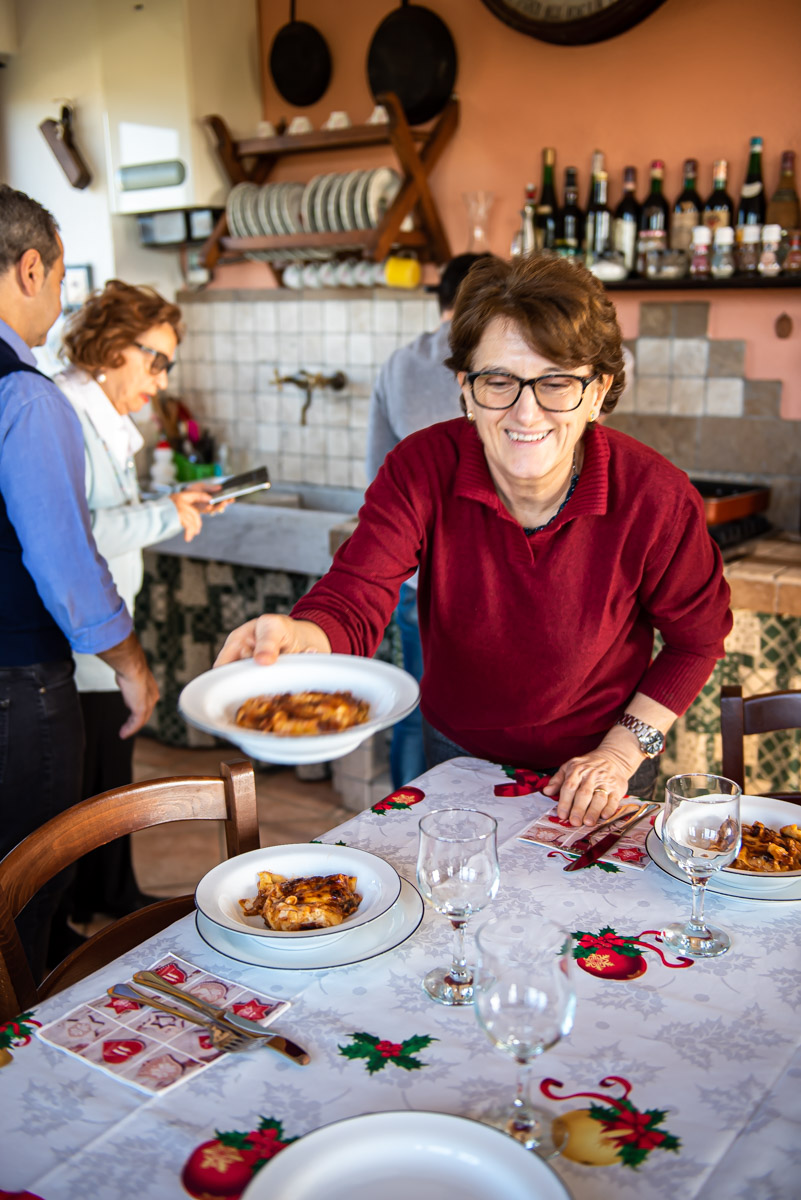
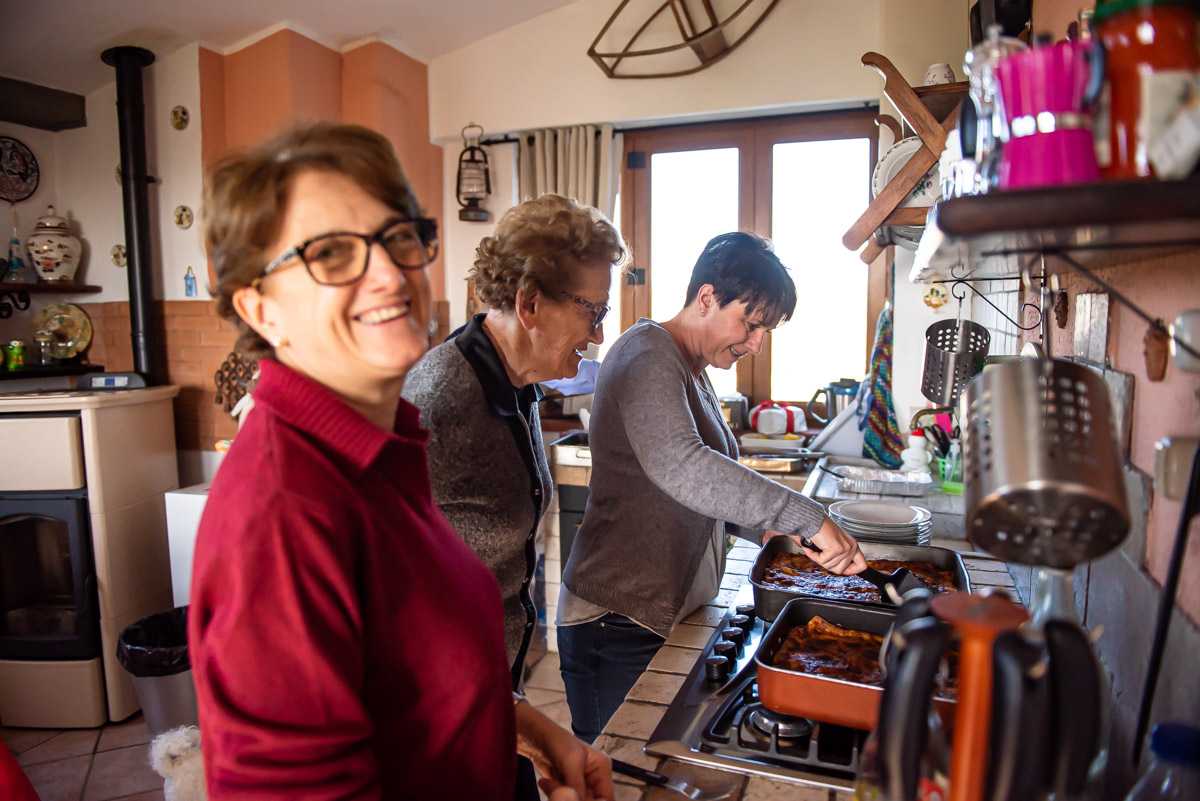
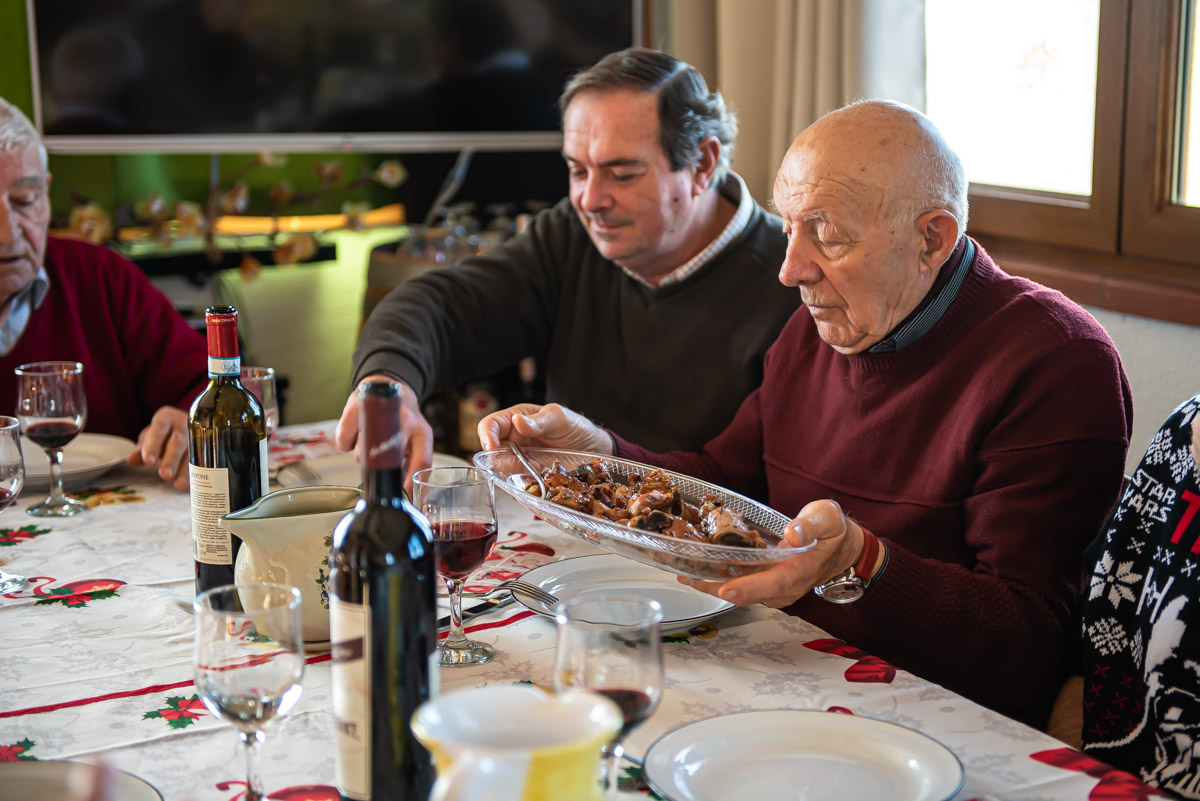
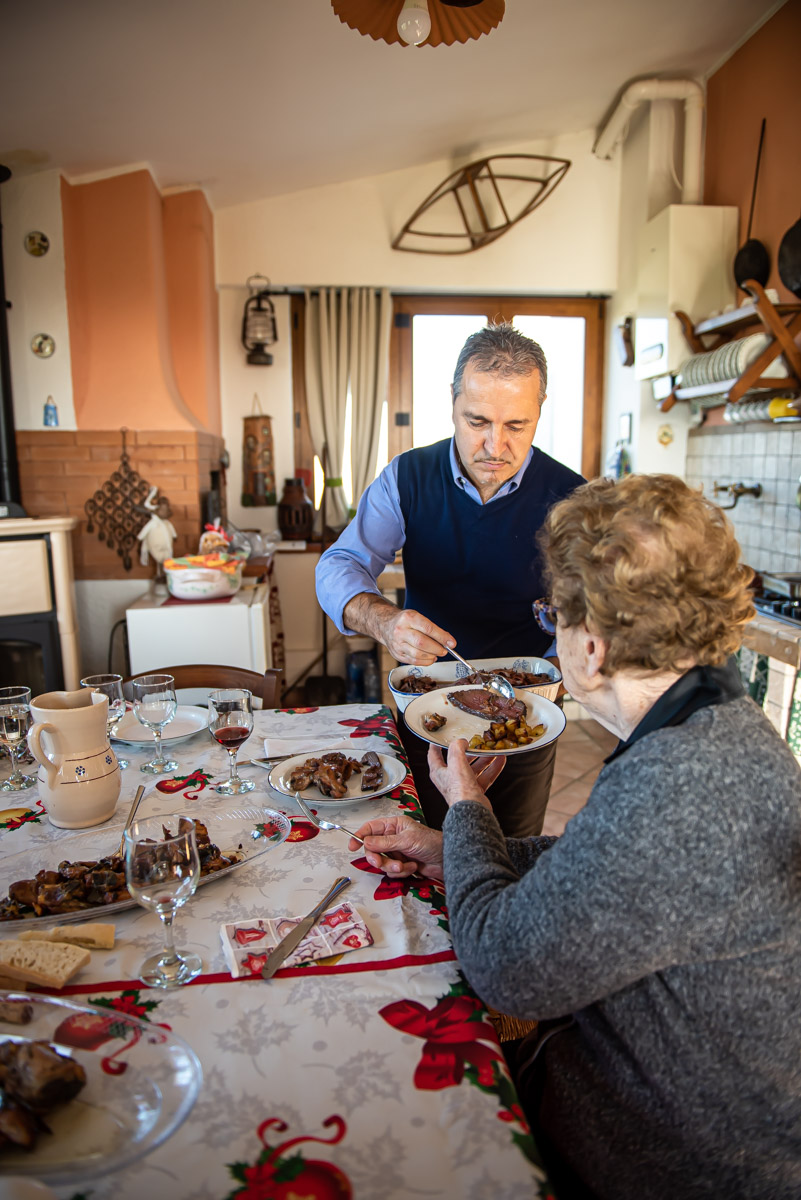
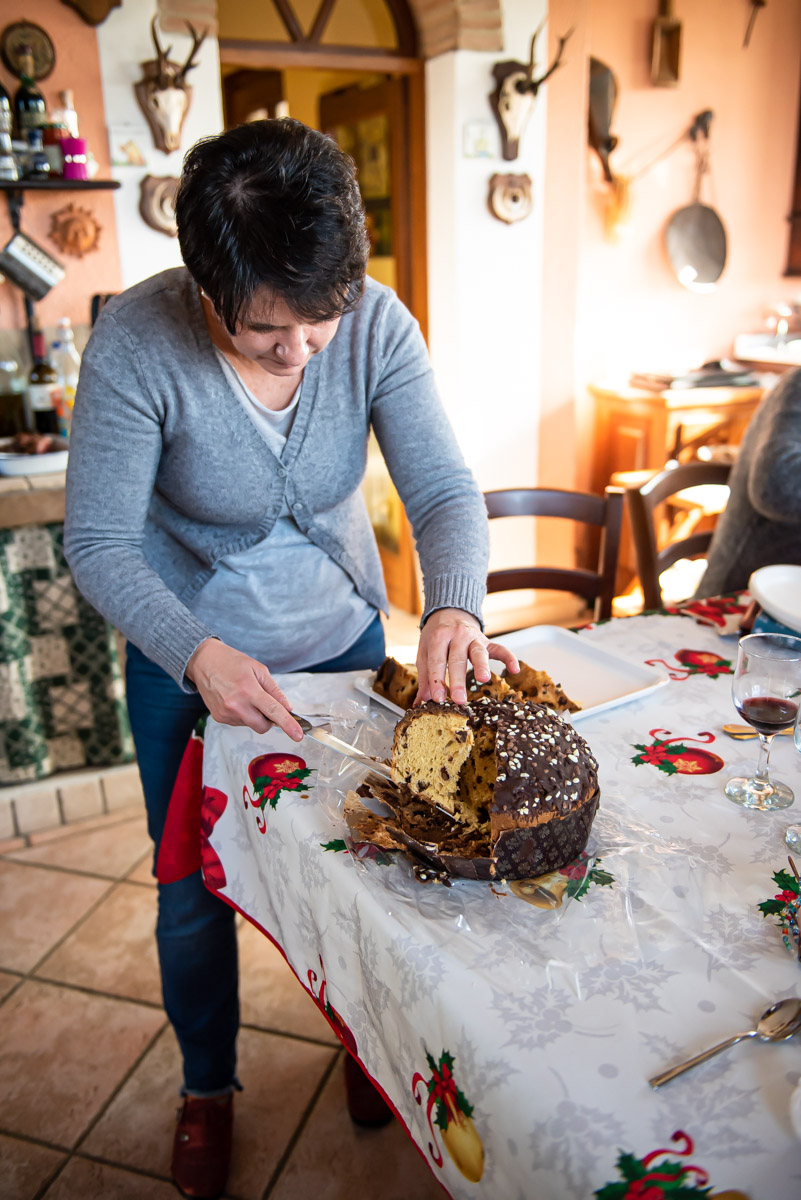
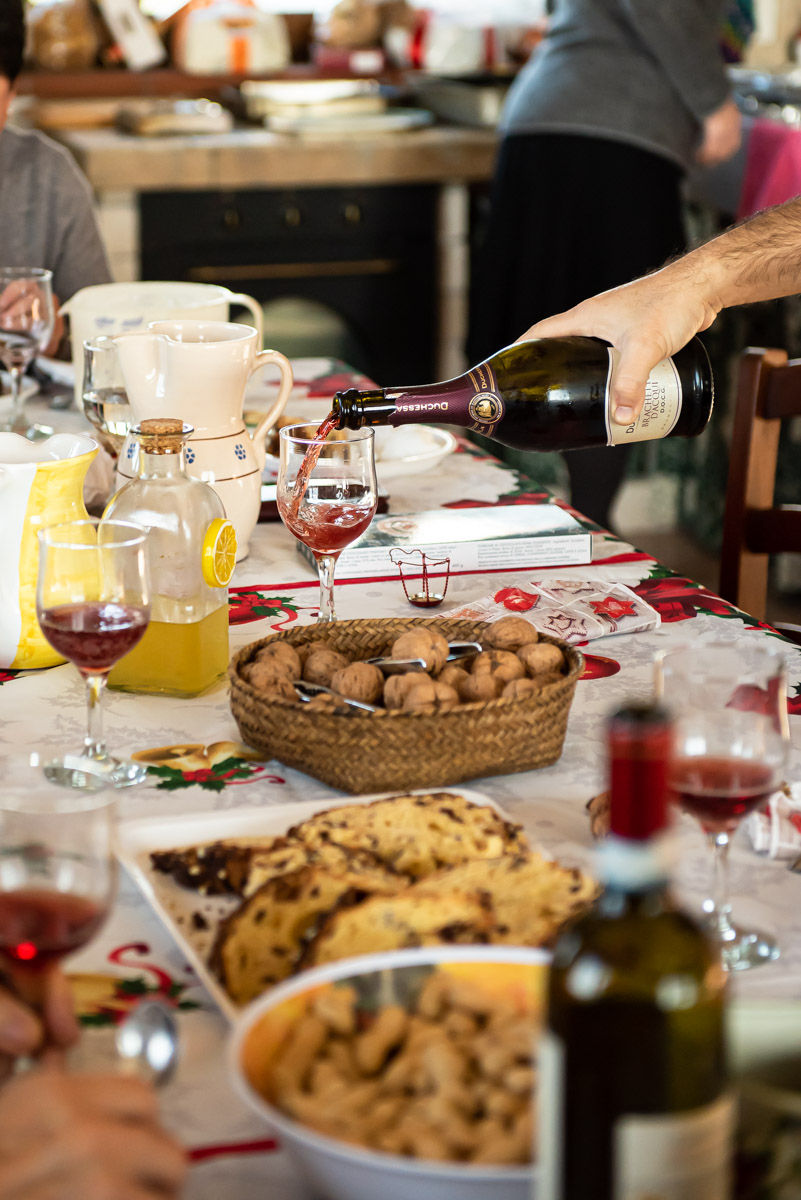
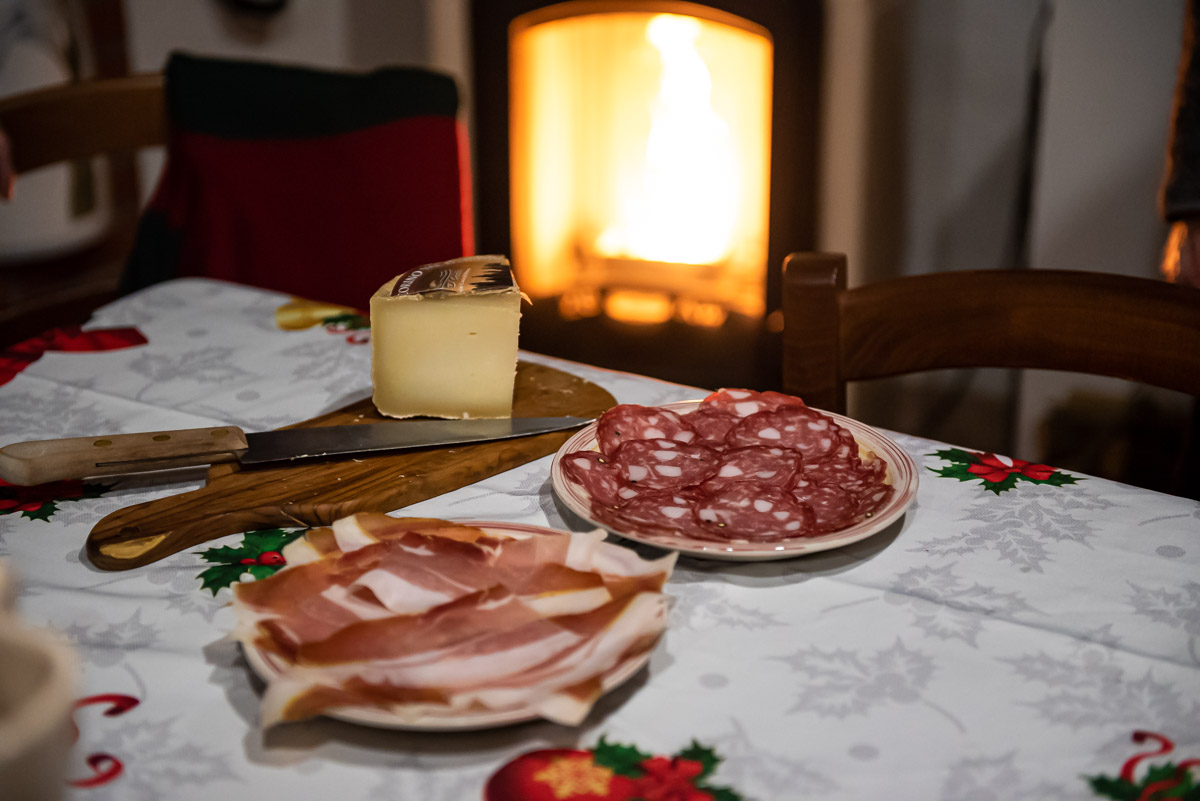
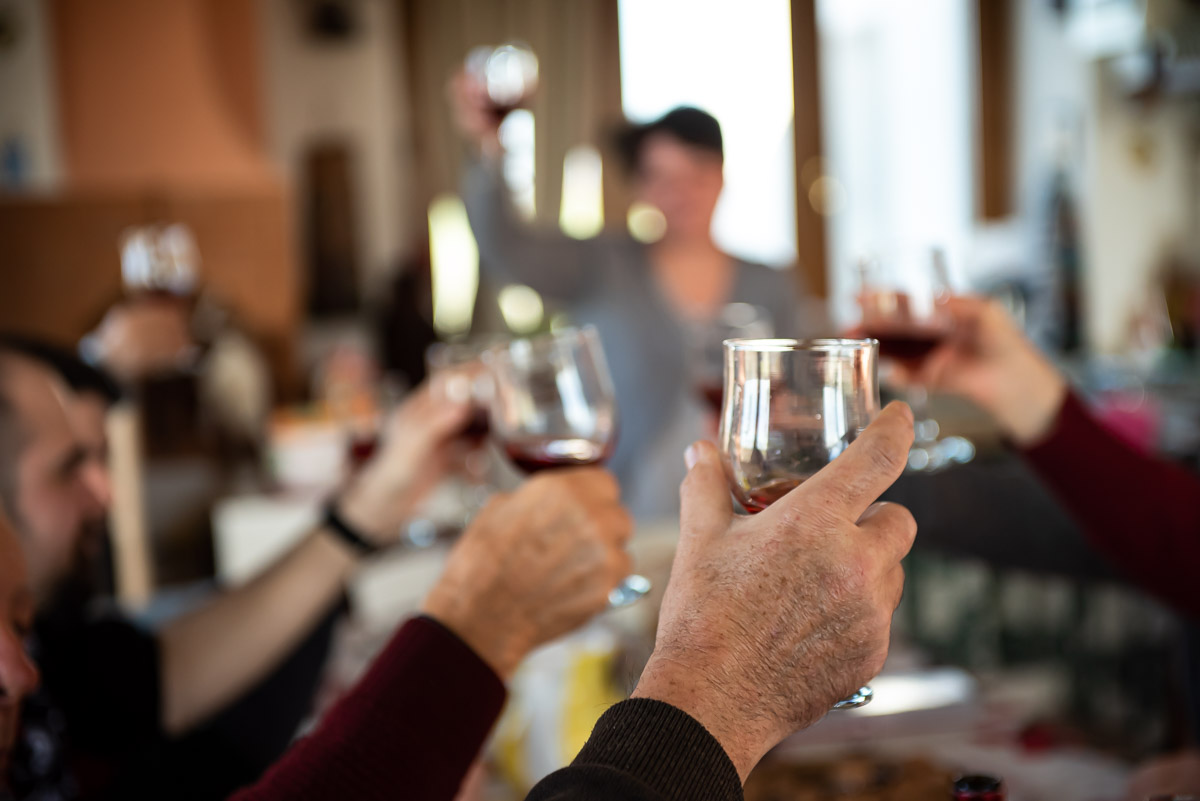
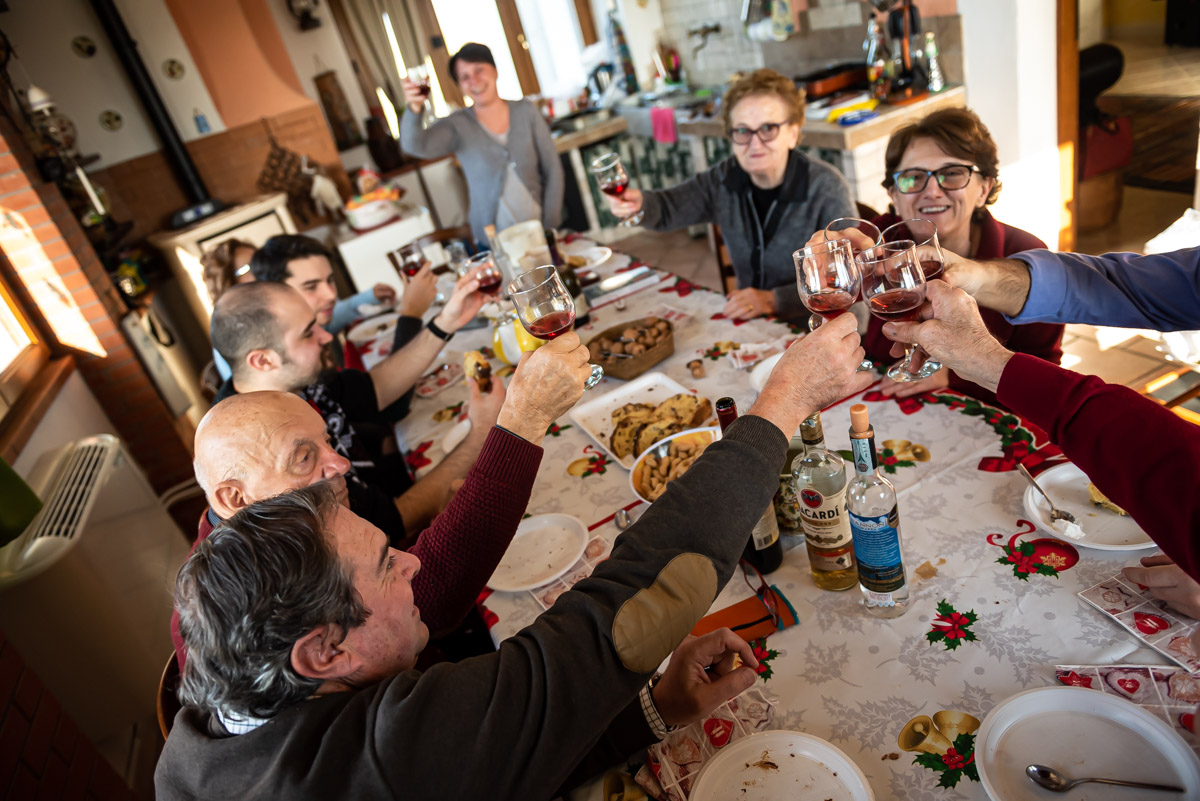
Despite the immense volume of preparation involved, every element of the meal is afforded the supreme attention to detail that typifies Italian cuisine. There is a fantastic feeling of fluidity and circularity to the ceremony. Dishes are prepared, cooked, sliced and served to a joyful yet meticulous rhythm and plates are slung from hand to hand, passed round the table with a dancer’s grace.
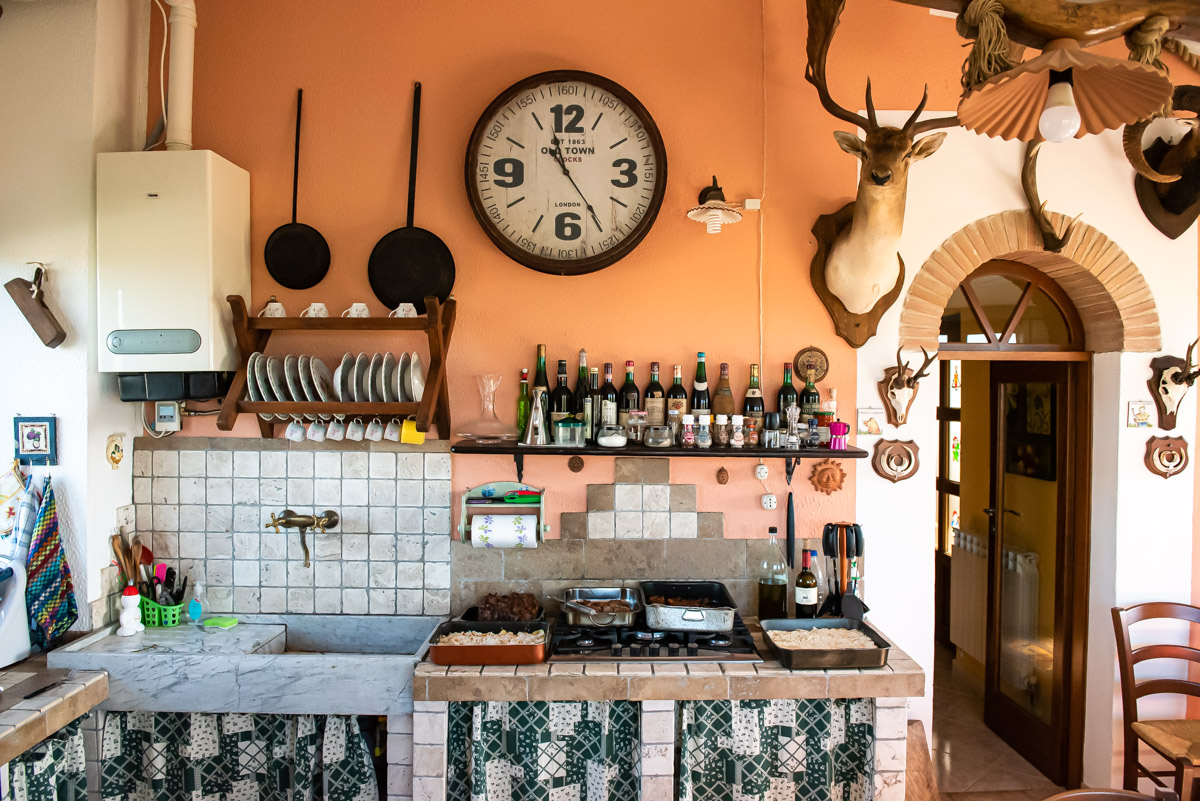
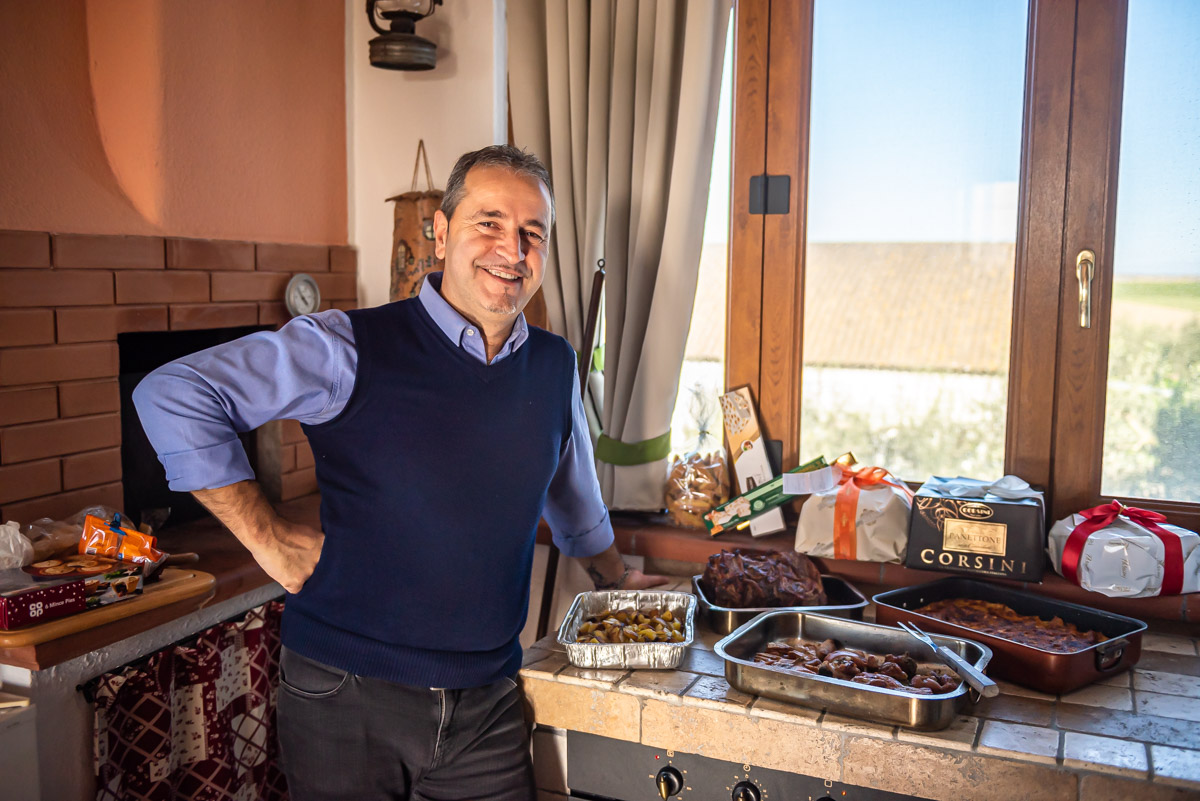
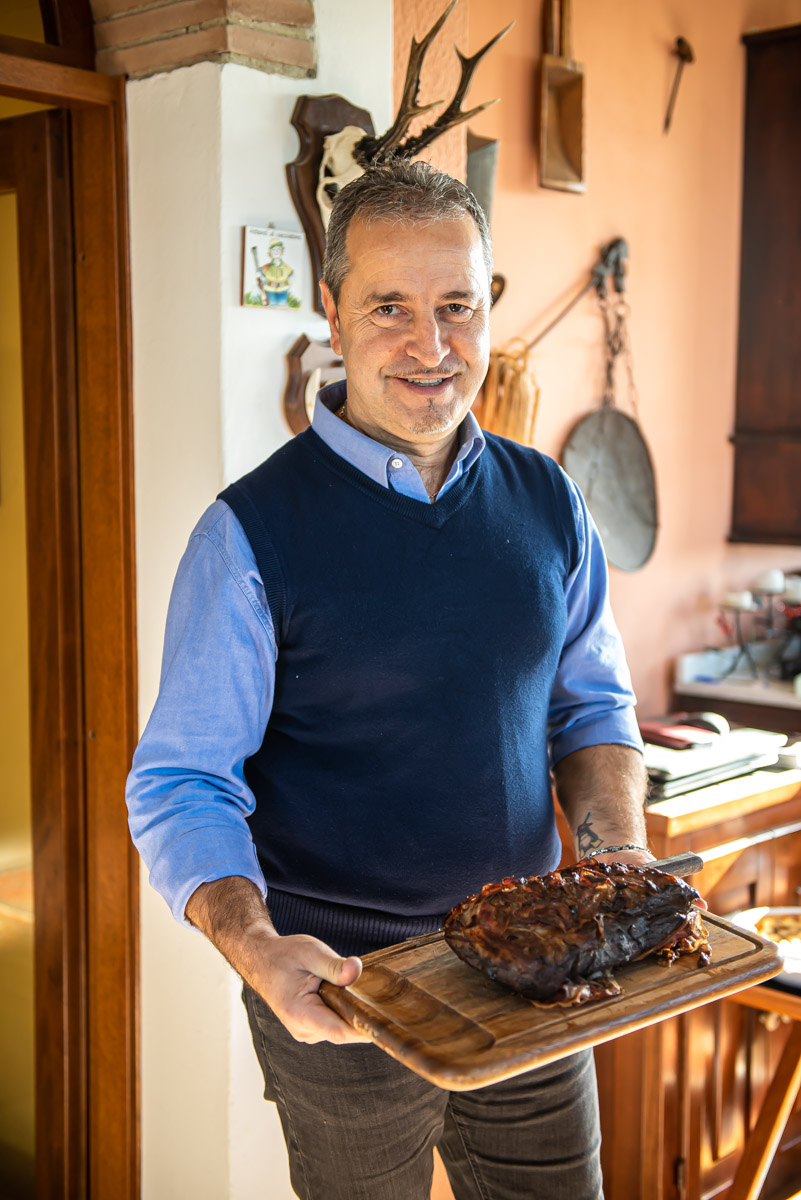
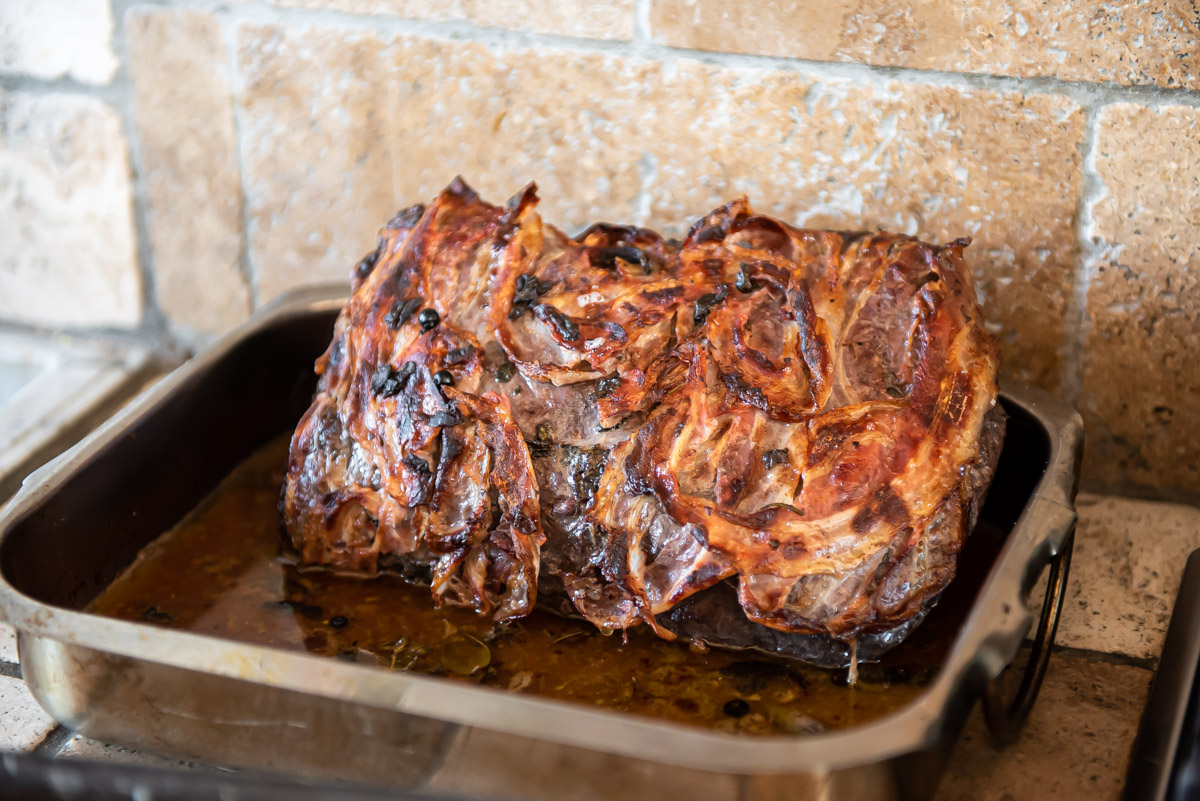
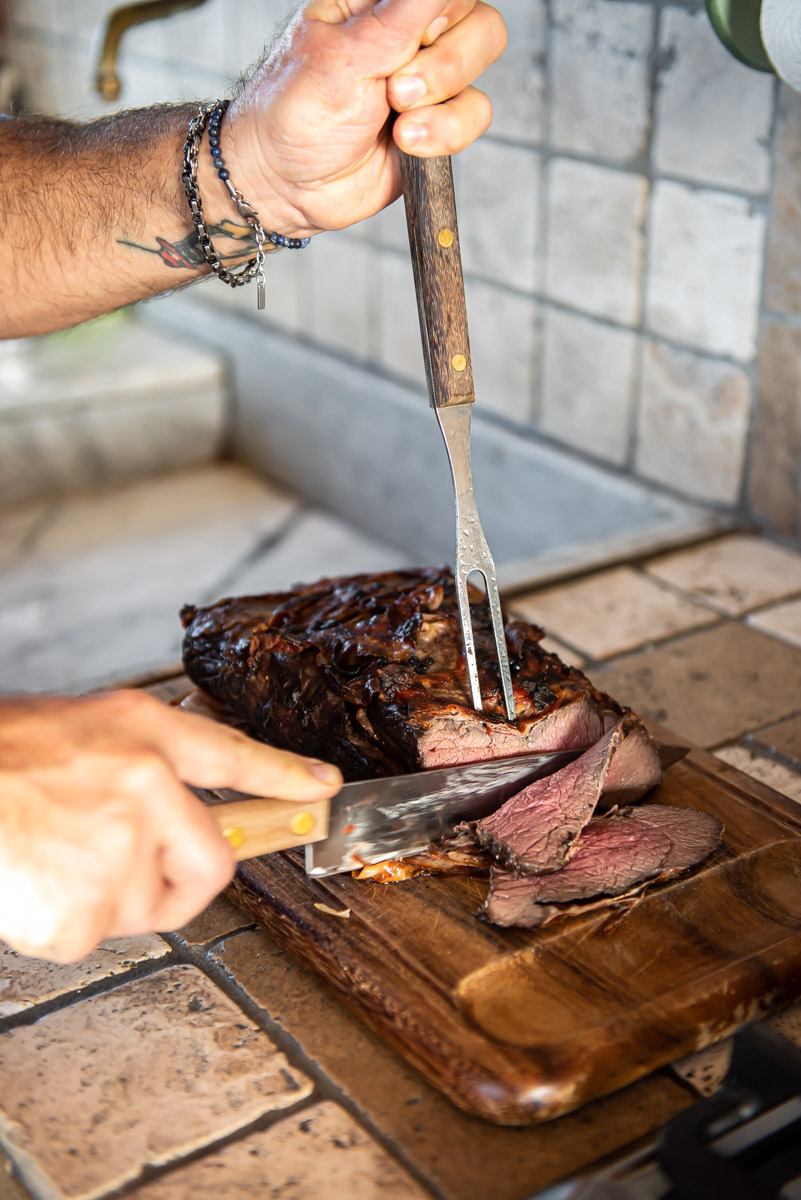
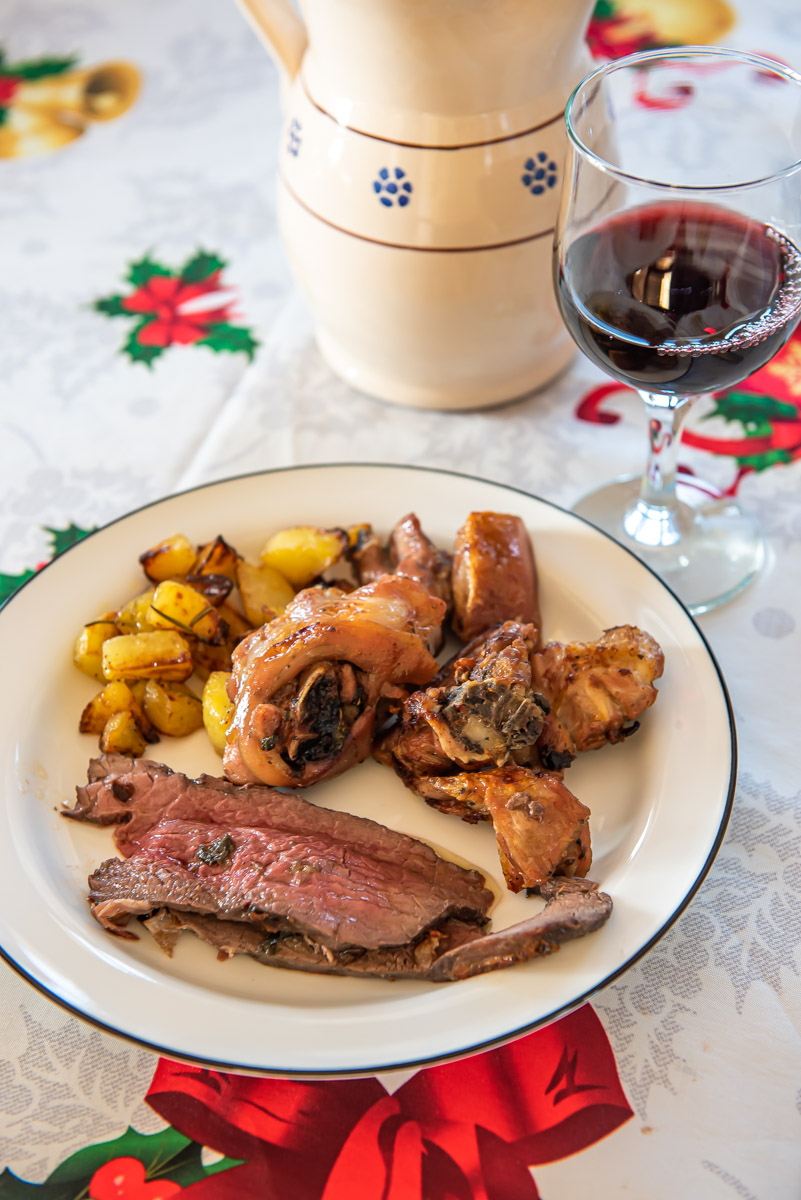
At lunch, the centrepiece is a hunk of venison from a deer hunted by Giulia’s uncle, consumed at the kitchen table under the watchful gaze of the stag heads hung on the walls. The delicious, syrupy fatigue which follows a large meal, known in Italian as l’abbiocco, casts its welcoming, comforting silence over the afternoon as the orchestra prepares itself for the final act. During the intermission, we take a rambling walk across the flat farmland, under the watery winter sun.
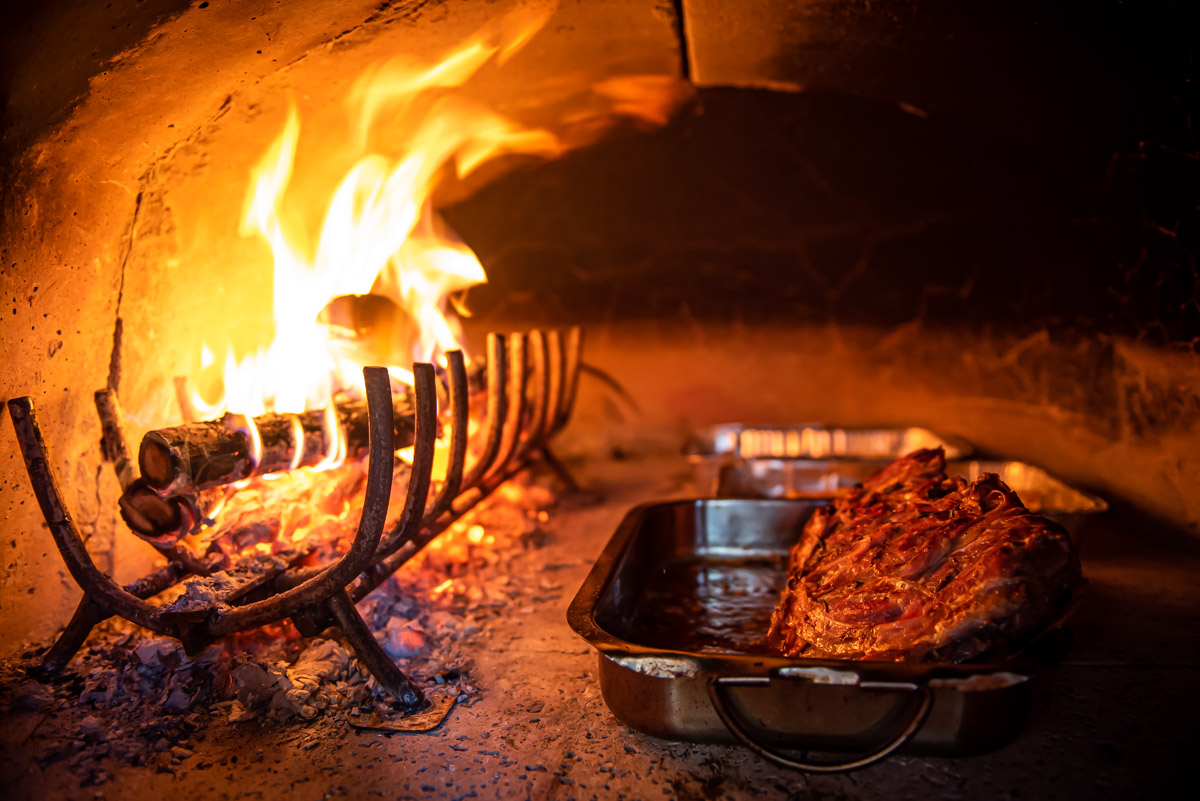
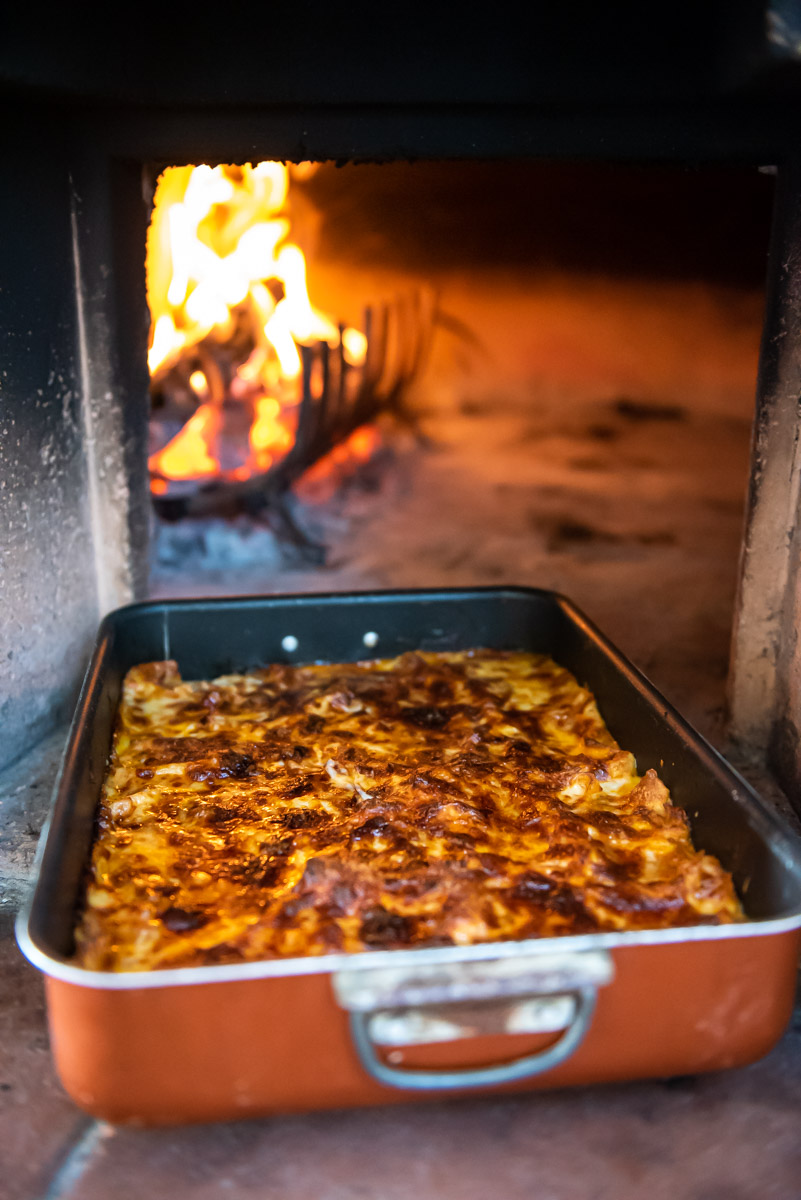
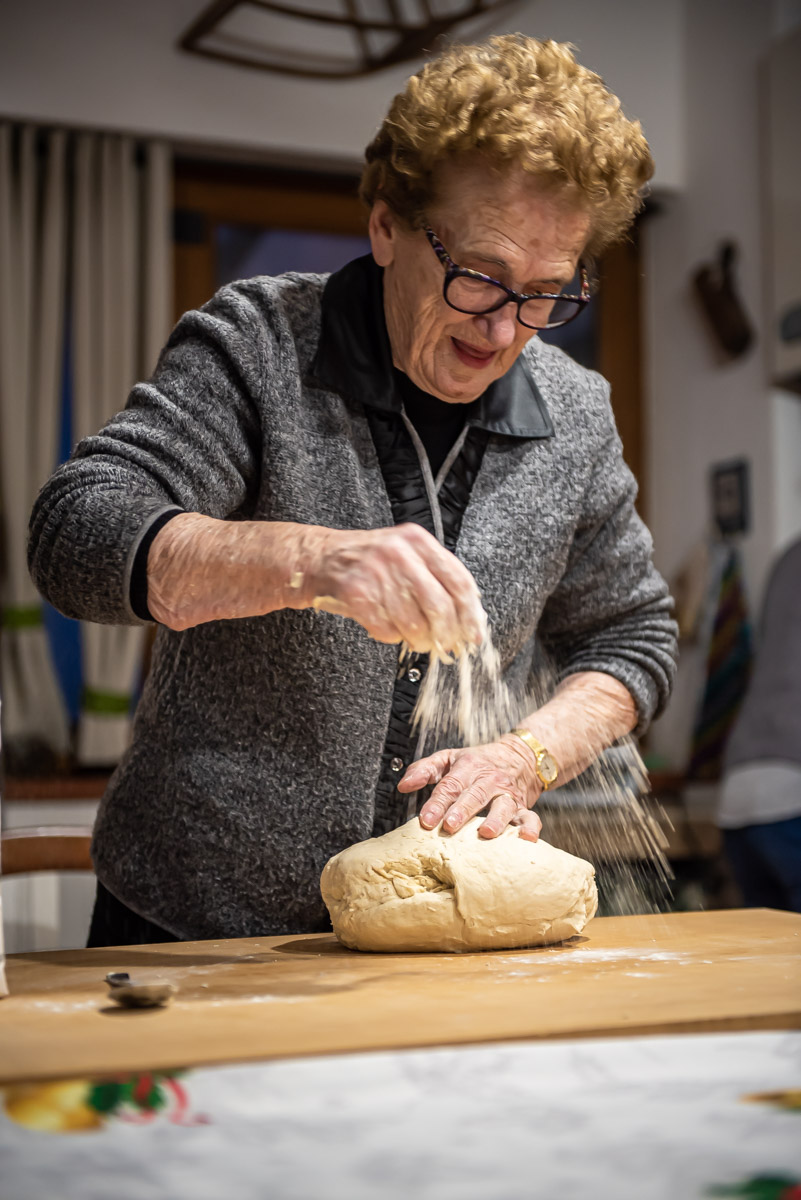
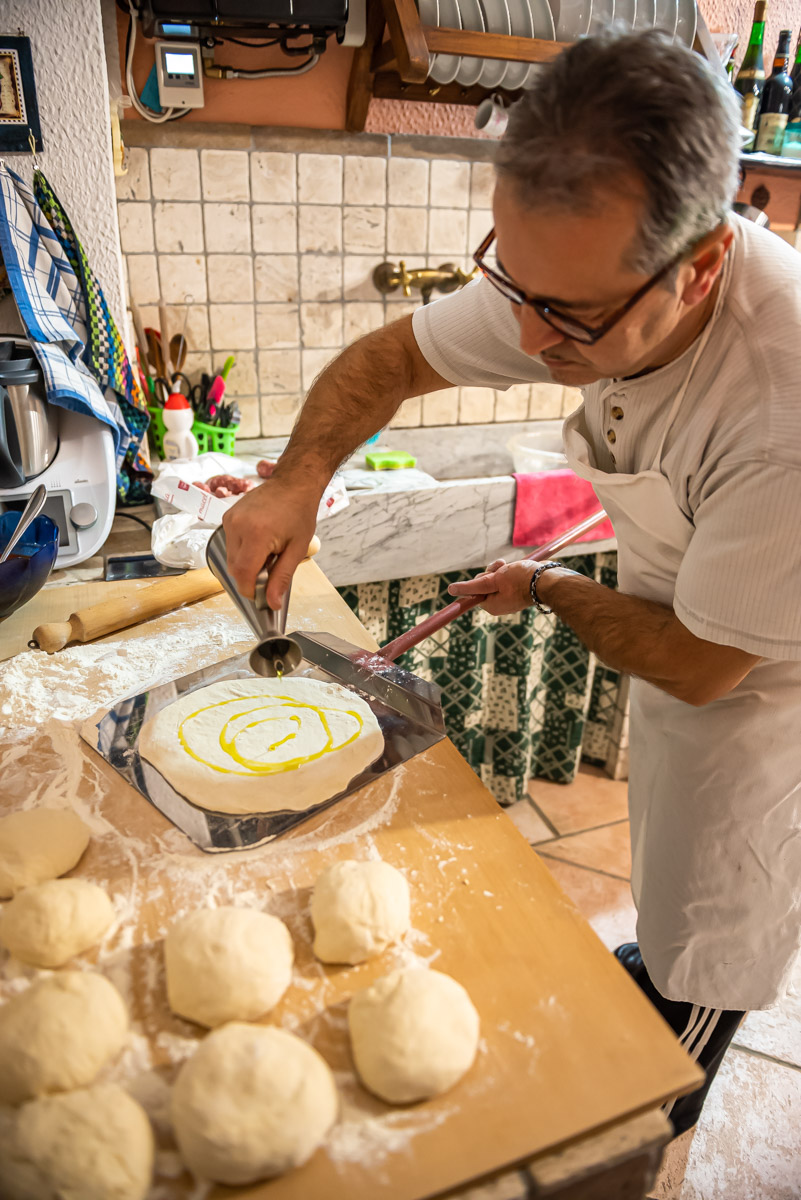
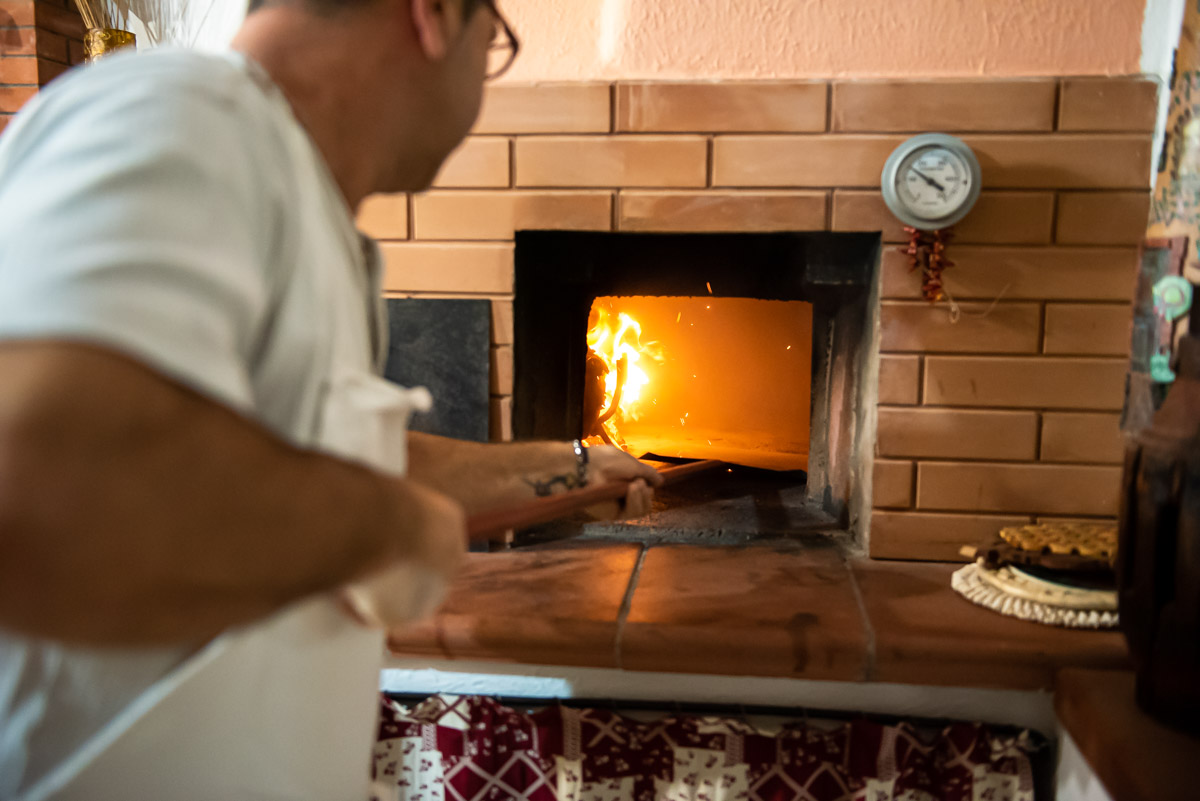
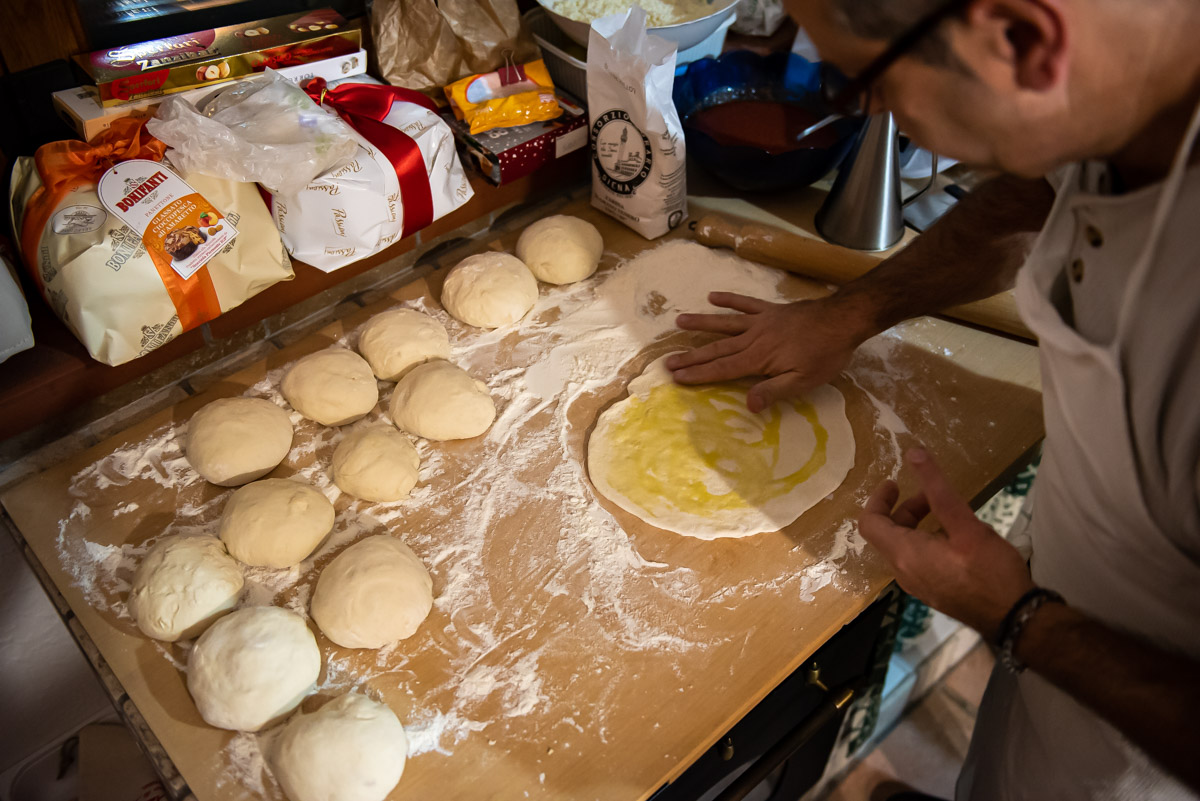
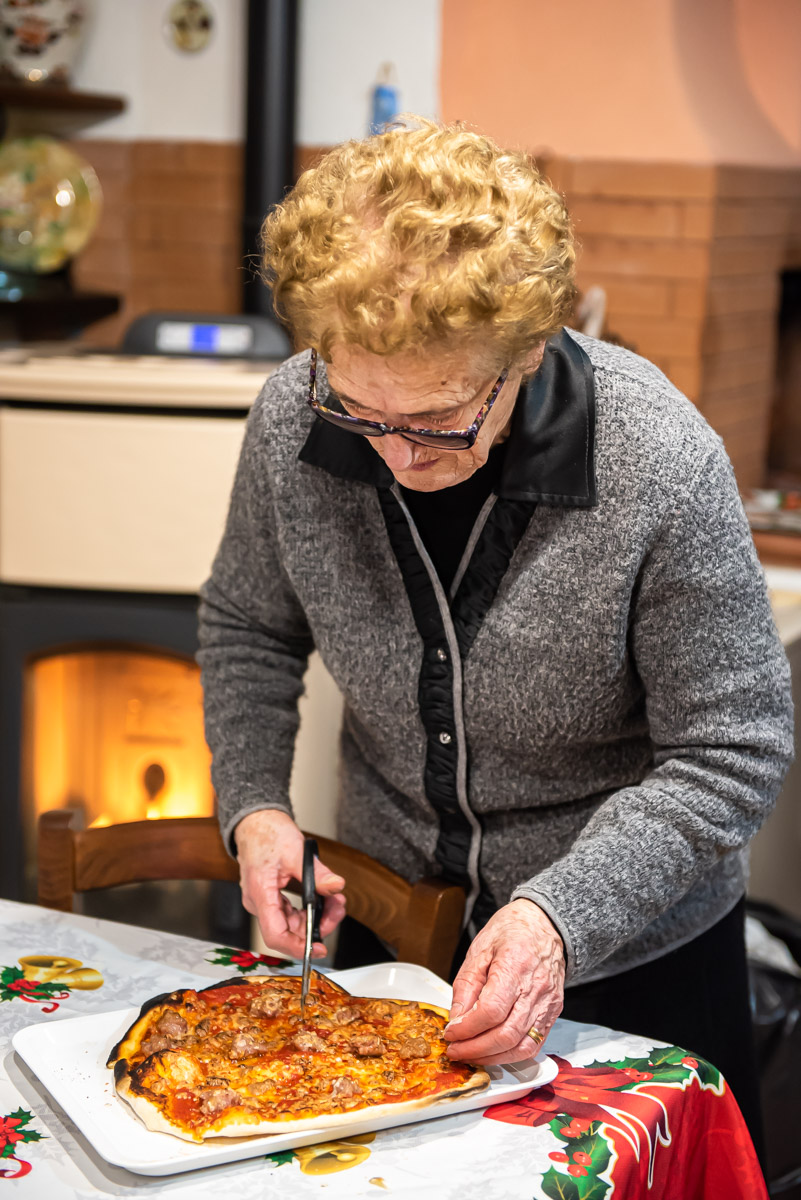
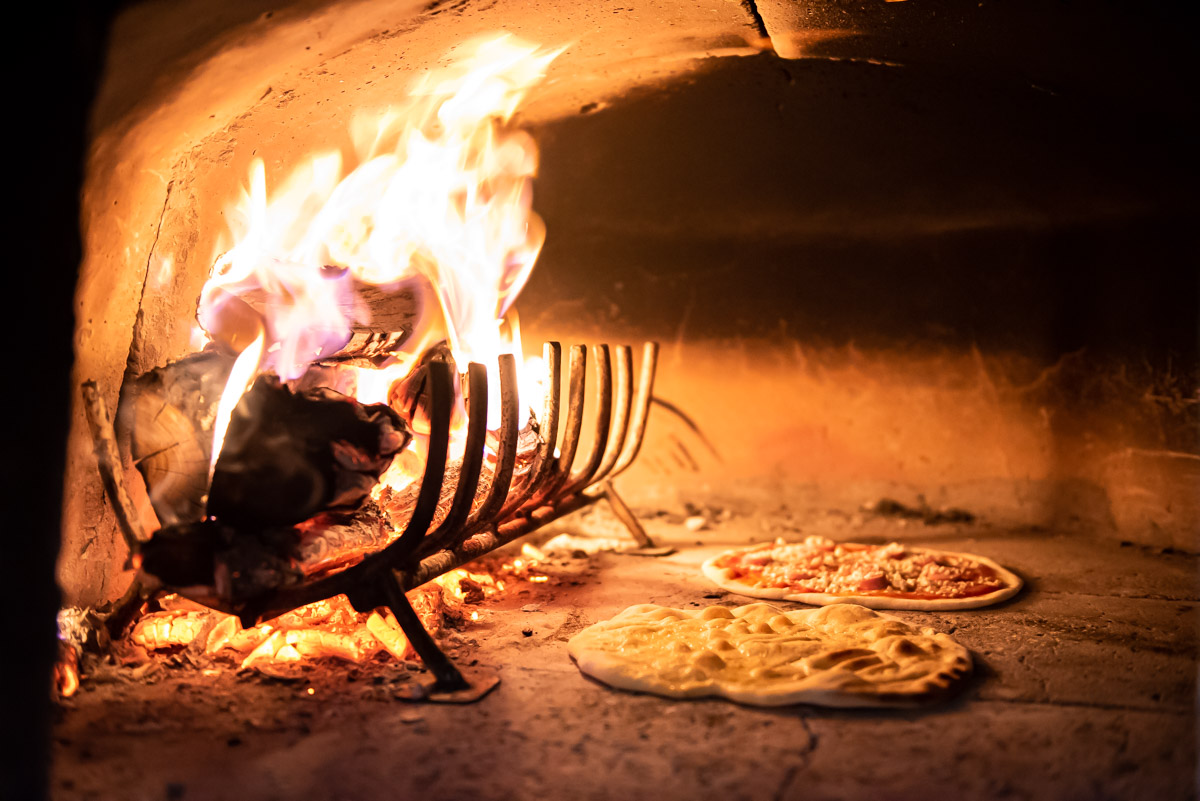
The beating heart of the whole affair is the wonderful wood-burning oven in the kitchen, from which our dishes emerge with that unmistakable and irresistible hint of smokiness. As evening falls, it burns solemnly in the background, preparing to perform its final act as Nonna puts her hands to work kneading pizza dough. As Giulia’s uncle plucks each perfect pizza from its depths, her auntie explains to me how in the past the family ran a pizzeria. As I fold a slice a libretto (the only way to eat pizza, I’m told) and take the first, heavenly bite, I reflect on the simple yet magnificent culinary rituals inextricably woven into our families and the integral part they play in its past, present and future
Words by Lara Gilmour